8285111617

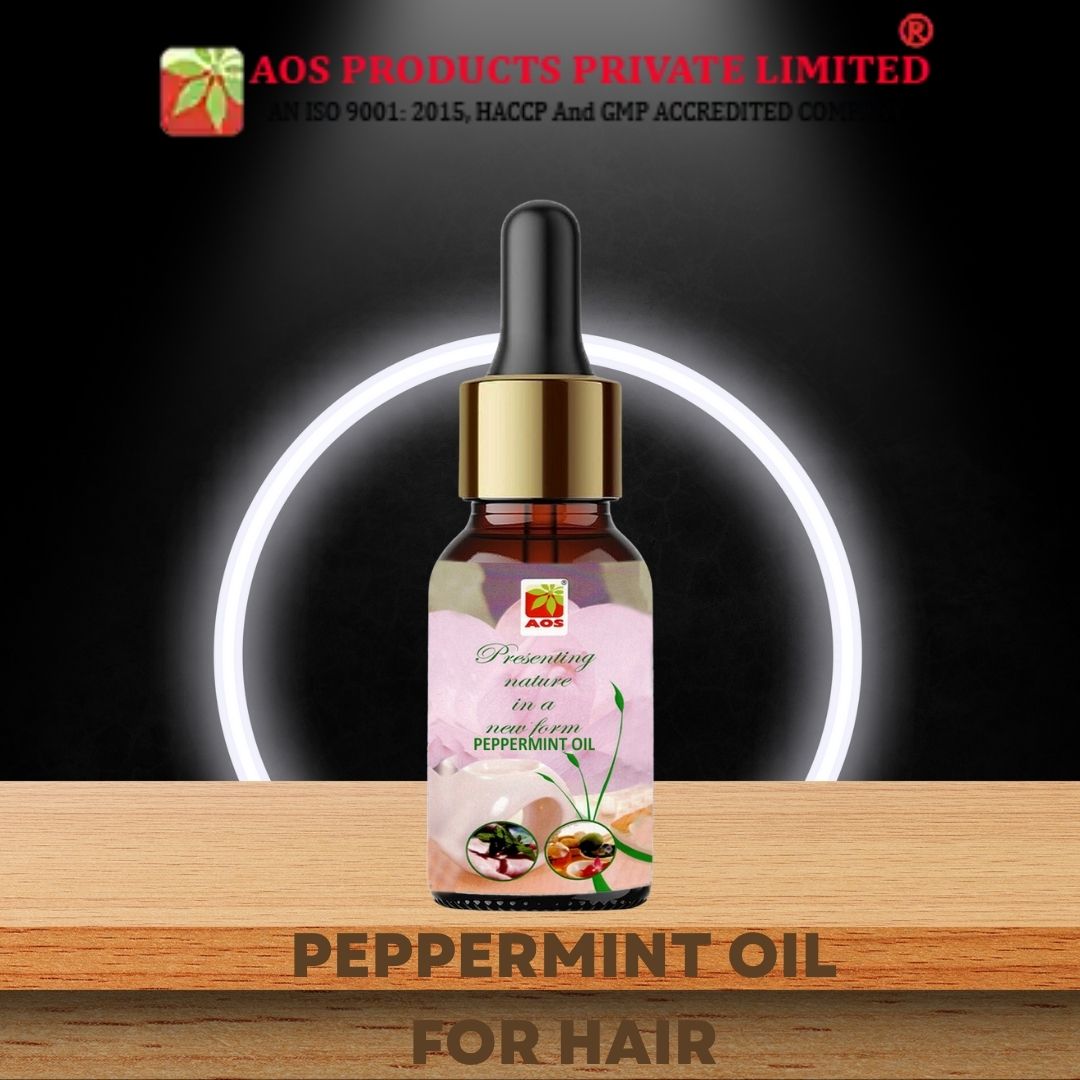
Peppermint oil is a powerful essential oil extracted from the leaves of the Mentha piperita plant. Rich in menthol, it delivers a cooling effect and a fresh, minty aroma. It is one of the most widely used oils in aromatherapy due to its stimulating, refreshing, and therapeutic properties.
Using peppermint essential oil in aromatherapy offers several health and wellness benefits:
1. Diffuser Method
Add 4-6 drops of peppermint essential oil to a diffuser filled with water. Let it disperse into the air to:
Best for use in bedrooms, offices, or yoga spaces.
2. Steam Inhalation
Boil water and pour it into a bowl. Add 2-3 drops of peppermint oil, cover your head with a towel, and inhale the steam for 5–10 minutes.
️ Perfect for congestion, cold, sinusitis, or allergies.
3. Massage Therapy
Mix 2-3 drops of peppermint oil with a carrier oil (like coconut or jojoba oil). Gently massage on:
Always do a patch test before applying.
4. Bath Soak
Add 5-8 drops of peppermint oil to your warm bath, mixed with Epsom salt or a carrier oil. It helps:
Avoid direct contact with sensitive areas.
5. Room Spray
Make a DIY Peppermint oil1 cup distilled water
Use it as a natural air freshener or mood booster in your space.
6. Aromatherapy Roll-On
Prepare a peppermint roll-on by adding 10 drops of oil to a 10 ml roller bottle filled with carrier oil. Use it on:
Portable and great for on-the-go relief.
Conclusion
Peppermint oil is a versatile and powerful essential oil in aromatherapy. Its refreshing scent and therapeutic effects make it ideal for enhancing your physical and mental well-being. Whether you're fighting a cold, boosting your energy, or just looking to relax – knowing how to use peppermint oil in aromatherapy can transform your self-care routine naturally.
Yes, but limit it to 1–2 drops on a tissue or handkerchief. Avoid prolonged exposure.
Absolutely. Apply diluted peppermint oil to your temples and forehead for fast relief.
Yes, its cooling aroma helps reduce mental tension and provides a calming effect.
Yes, but use it moderately to avoid sensitivity. Always dilute for topical use.